
Winter harvest dinner bowl nights feel like the best kind of reset after a busy week. You pull out whatever roasted vegetables are looking good, cook a simple grain base, drizzle everything with a warm maple tahini dressing, and end up with a bowl that is hearty, colorful, and genuinely satisfying in that deep, cozy way that only winter comfort food can deliver. This winter harvest dinner bowl is the recipe I reach for every single January when I want something nourishing that actually tastes exciting.
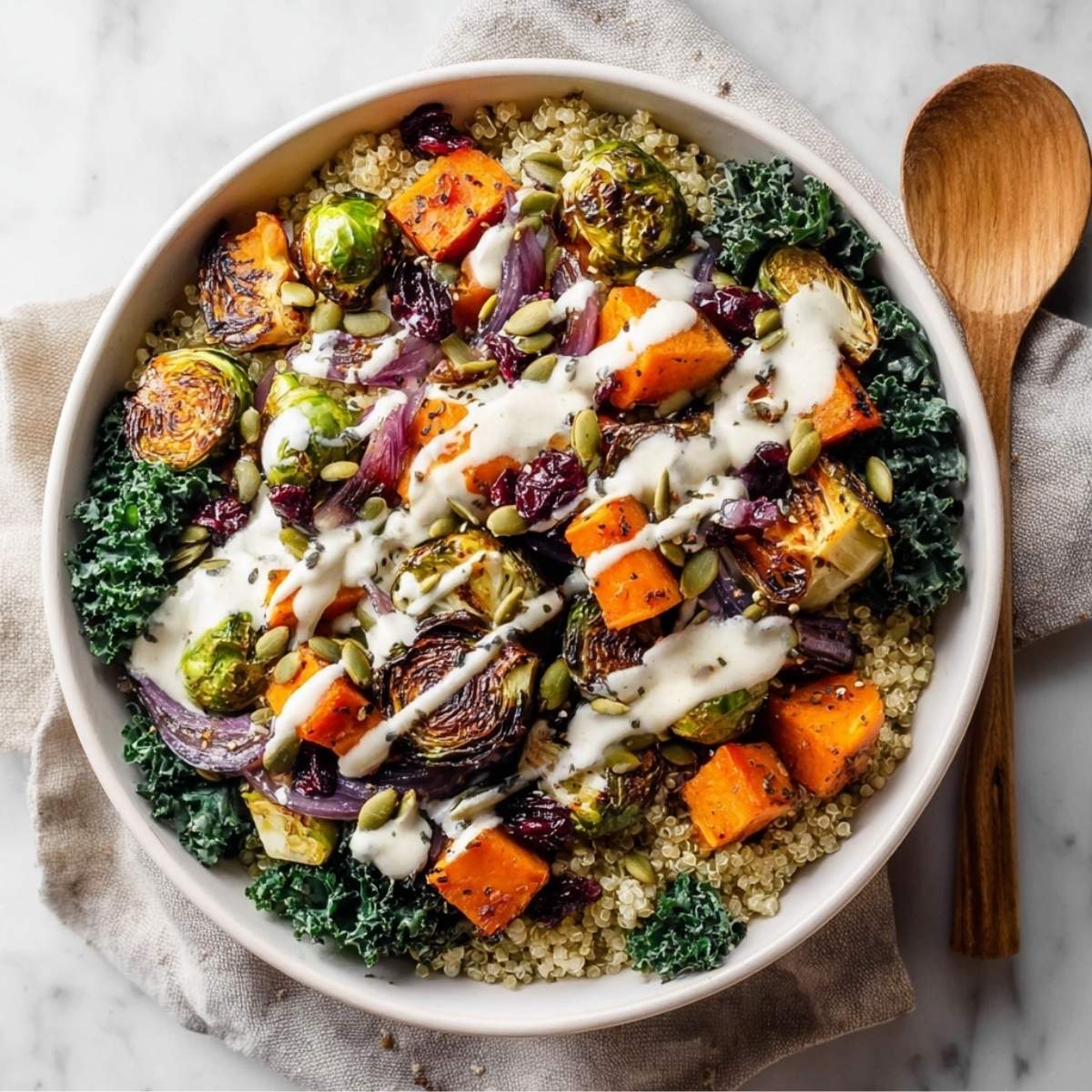
What I love most about this recipe is how flexible it is. Chicken on top for the protein lovers, crispy roasted chickpeas for anyone building a plant-based protein bowl, extra sweet potatoes for Olivia who would eat them at every single meal if I let her. It works for meal prep, it works for a cozy weeknight dinner, and it honestly gets better the next day when all the flavors have had time to settle. Once this bowl becomes part of your winter rotation, you will find yourself making it on repeat all season long.
Jump to:
- Why You'll Love This Winter Harvest Dinner Bowl
- Ingredients for Winter Harvest Dinner Bowl
- How to Make Winter Harvest Dinner Bowl
- My Top Tips for Winter Harvest Dinner Bowl
- Little Moments in the Kitchen
- Substitutions for Winter Harvest Dinner Bowl
- Variations on Winter Harvest Dinner Bowl
- Equipment for Winter Harvest Dinner Bowl
- Storage Tips for Winter Harvest Dinner Bowl
- Olivia's Tip for Winter Harvest Dinner Bowl
- FAQ About Winter Harvest Dinner Bowl
- Conclusion
- Related
- Pairing
- 📖 Recipe
Why You'll Love This Winter Harvest Dinner Bowl
- It is a genuinely nourishing, feel-good meal. Every component in this winter harvest dinner bowl pulls its weight. Roasted sweet potatoes and Brussels sprouts, hearty grains, crispy chickpeas, and a maple tahini dressing that ties everything together into something that tastes indulgent but leaves you feeling energized rather than heavy.
- It is completely customizable for every person at the table. Keep it vegetarian with chickpeas, add grilled chicken for extra protein, swap the grain base depending on what you have on hand. This bowl works for everyone and nobody has to compromise on what goes in theirs.
- It is perfect for meal prep. Roast the vegetables and cook the grains on Sunday and you have the base for harvest bowl lunches and dinners ready all week long. Just reheat and add fresh toppings and dressing when you are ready to eat.
Ingredients for Winter Harvest Dinner Bowl
Everything in this bowl is seasonal, real, and easy to find at any grocery store in the winter months. Nothing exotic, nothing fussy. Just honest ingredients that roast up beautifully and come together into something truly satisfying.
What You'll Need
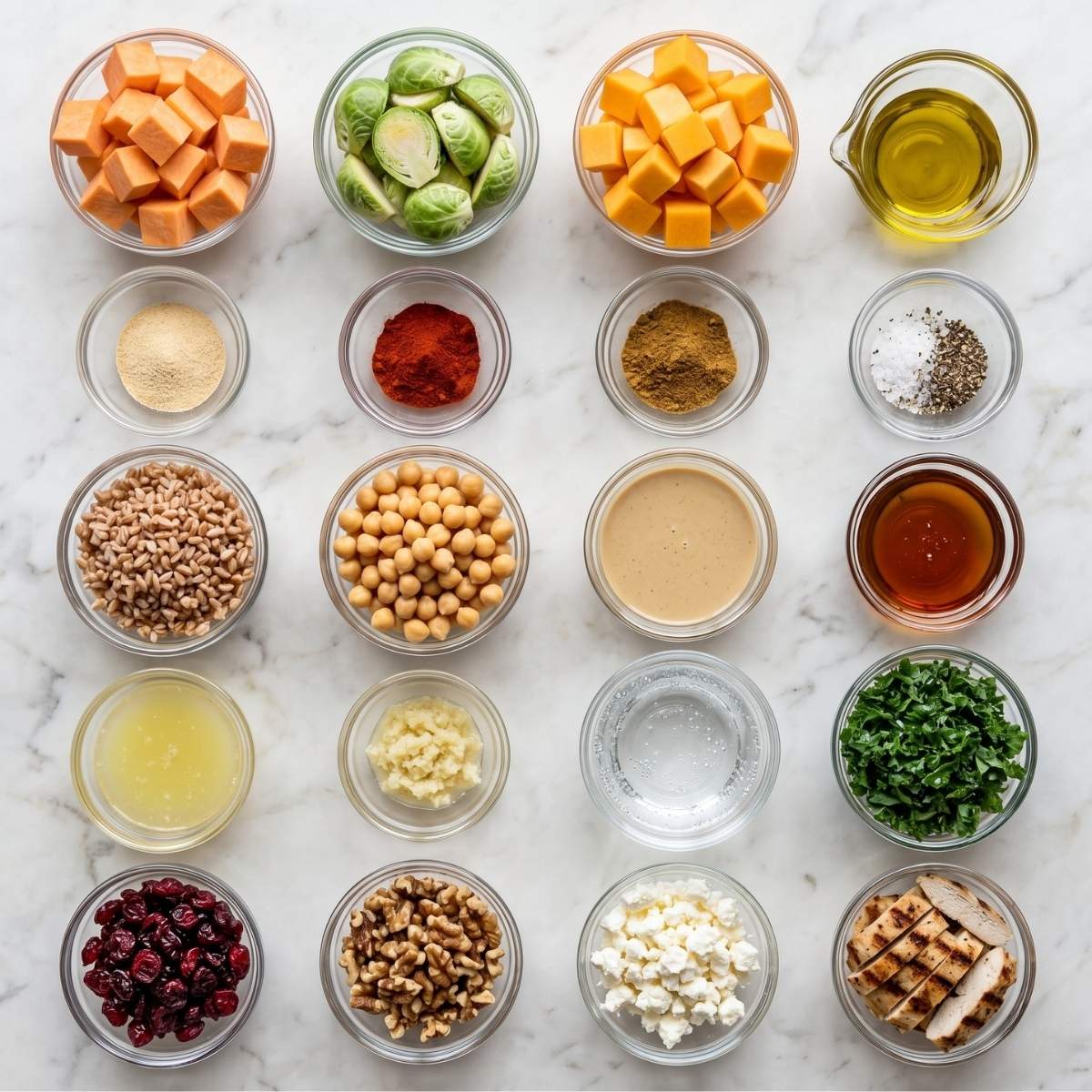
For the roasted vegetables:
- 2 medium sweet potatoes, peeled and cubed into 1-inch pieces
- 2 cups Brussels sprouts, trimmed and halved
- 1 cup butternut squash, peeled and cubed (optional but wonderful)
- 2 tablespoons olive oil
- 1 teaspoon garlic powder
- 1 teaspoon smoked paprika
- ½ teaspoon ground cumin
- ½ teaspoon salt
- ¼ teaspoon black pepper
For the grain base:
- 1 cup dry farro, wild rice, or quinoa (cook according to package directions)
- 2 cups low-sodium vegetable or chicken broth (for cooking the grains)
For the crispy roasted chickpeas:
- 1 can (15 ounces) chickpeas, drained, rinsed, and patted completely dry
- 1 tablespoon olive oil
- ½ teaspoon smoked paprika
- ¼ teaspoon garlic powder
- ¼ teaspoon salt
For the maple tahini dressing:
- 3 tablespoons tahini
- 2 tablespoons pure maple syrup
- 2 tablespoons fresh lemon juice
- 1 small garlic clove, finely grated
- 2 to 3 tablespoons warm water (to thin to desired consistency)
- Pinch of salt
For toppings:
- 2 cups fresh kale or arugula, massaged with a drizzle of olive oil
- ¼ cup dried cranberries
- ¼ cup toasted walnuts or pumpkin seeds
- Crumbled feta cheese or goat cheese
- Sliced grilled chicken breast (optional, for a harvest bowl with chicken)
Why These Ingredients Matter
- Sweet potatoes and Brussels sprouts as the roasted vegetable base: These two vegetables are the heart of a great harvest bowl and they roast beautifully together at the same temperature. Sweet potatoes caramelize at the edges and develop a natural sweetness that balances the slightly bitter, nutty Brussels sprouts perfectly. The combination gives you contrasting textures and complementary flavors in every single bite, which is what makes this bowl so much more satisfying than a single-vegetable roast.
- Farro as the grain base: Farro is my first choice for this bowl because it has a chewy, nutty texture that holds up under the roasted vegetables and dressing without turning mushy. It also has more protein and fiber than white rice, which keeps you full longer. Wild rice and quinoa are both excellent substitutes if farro is hard to find, but if you can get your hands on farro, use it. It makes the bowl feel genuinely restaurant-quality.
- The maple tahini dressing: This dressing is what makes people ask for the recipe before they even finish the bowl. Tahini adds a rich, nutty creaminess, maple syrup brings a warm sweetness that echoes the caramelized vegetables, and the lemon juice cuts through everything with just enough brightness to keep it from feeling heavy. It is the kind of dressing that works on everything and you will find yourself making extra just to keep in the fridge all week.
How to Make Winter Harvest Dinner Bowl
Step-by-Step Directions
- Preheat the oven and prep the vegetables. Set your oven to 425°F. This high temperature is what gives you properly caramelized, golden-edged vegetables rather than soft, steamed ones. Line two large baking sheets with parchment paper. Peel and cube the sweet potatoes and butternut squash into roughly 1-inch pieces. Trim and halve the Brussels sprouts.
- Season and roast the vegetables. Spread the sweet potatoes, Brussels sprouts, and butternut squash in a single layer across the two baking sheets, making sure the pieces are not touching each other. Drizzle with olive oil and sprinkle over the garlic powder, smoked paprika, cumin, salt, and pepper. Toss everything well until every piece is evenly coated, then spread back into a single layer. Roast for 25 to 30 minutes, flipping once halfway through, until the edges are golden and caramelized and the vegetables are tender when pierced with a fork. For the best results, use the one-pan roasted vegetables technique: spread each vegetable type in its own zone on the baking sheet so denser vegetables like sweet potatoes sit closer to the edges where the heat is most intense, and more delicate vegetables like Brussels sprouts stay toward the center. This gives everything the right amount of heat exposure and means nothing overcooks before everything else is done.
- Roast the chickpeas. While the vegetables are in the oven, spread the patted-dry chickpeas onto a separate small baking sheet. Drizzle with olive oil and toss with the smoked paprika, garlic powder, and salt. Roast alongside the vegetables for 20 to 25 minutes until crispy and golden, shaking the pan once halfway through. Watch them in the last 5 minutes because they can go from perfectly crispy to overdone quickly. Completely dry chickpeas before roasting are non-negotiable here. Any moisture left on the surface will steam them soft instead of crisping them up.
- Cook the grains. While everything roasts, cook your farro, wild rice, or quinoa according to the package instructions, substituting vegetable or chicken broth for plain water. Cooking grains in broth instead of water adds a subtle savory depth to the base of the bowl that makes a noticeable difference in the final flavor. Season with a small pinch of salt and a drizzle of olive oil once cooked and fluff with a fork.
- Make the maple tahini dressing. Add the tahini, maple syrup, fresh lemon juice, grated garlic, and a pinch of salt to a small bowl or jar. Whisk together until smooth. The mixture will look very thick at first and that is completely normal. Add warm water one tablespoon at a time, whisking after each addition, until the dressing reaches a pourable, drizzle-friendly consistency. Taste and adjust the lemon juice or maple syrup to your preference.
- Massage the greens. Place the kale or arugula in a bowl and drizzle with a small amount of olive oil and a pinch of salt. Use your hands to massage the kale for about 1 minute until it softens and darkens slightly in color. This step breaks down the tough fibers in the kale and makes it much more pleasant to eat raw in the bowl. If you are using arugula, you can skip the massaging step entirely.
- Assemble the bowls. Spoon a generous base of warm cooked grains into each bowl. Arrange the roasted sweet potatoes, Brussels sprouts, and butternut squash on top. Add a handful of the massaged greens. Sprinkle over the crispy roasted chickpeas, dried cranberries, and toasted walnuts or pumpkin seeds. Add crumbled feta or goat cheese and sliced grilled chicken if you are making the version with chicken.
- Dress and serve. Drizzle the maple tahini dressing generously over the top of each assembled bowl right before serving. Serve warm immediately or let it cool for a meal prep version you can store for the week.
Hint: Roast your vegetables on two separate baking sheets rather than crowding everything onto one. I know it means more dishes but it makes a real difference. Vegetables need space and airflow to caramelize properly. One crowded pan means steamed, soft vegetables and you lose all those gorgeous golden edges that make this bowl so satisfying.
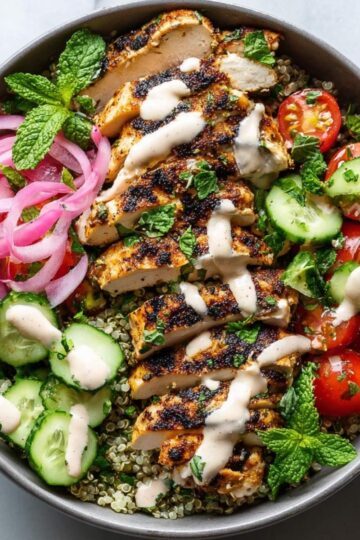
My Chicken Gyros use a lot of the same fresh, build-your-own energy as this bowl and are another great weeknight option when you want something customizable and fast.
My Top Tips for Winter Harvest Dinner Bowl
Pat those chickpeas as dry as you possibly can before they go on the roasting pan. I mean really dry. Spread them on a clean kitchen towel, fold the towel over the top, and press firmly to absorb every bit of surface moisture. Wet chickpeas steam instead of crisp and you end up with soft, chewy chickpeas rather than the crunchy, golden little bites that make this bowl so satisfying. This is the one step I see people skip most often and it is always the reason their chickpeas disappoint them.
Gold Tip: Make the maple tahini dressing in a jar with a lid so you can shake it back together quickly when it separates in the fridge. A double batch takes less than five minutes and keeps well for up to a week. Having it ready means you can throw together a cozy harvest bowl on any night of the week without any prep at all, which is exactly the kind of cooking shortcut that makes healthy weeknight eating actually sustainable.
Little Moments in the Kitchen
The first time I made a winter harvest dinner bowl for Olivia, she stood at the counter looking at the assembled bowl with her arms crossed and said, "Mom, this looks like a salad. I do not want a salad for dinner." I told her it was a warm bowl with sweet potatoes and she picked up her fork, unconvinced. She tried the sweet potato first. Then the crispy chickpea. Then she drizzled approximately half the jar of maple tahini dressing over the whole thing and ate every last bite without another word of complaint.
She asked me the next day if we could have "that warm bowl thing" again, which is the Olivia equivalent of a five-star review. Now she is the one who reminds me to save her extra crispy chickpeas from the pan before I add them to the bowls, because she eats them straight off the baking sheet while I am assembling everything else. I have started roasting a double batch just to account for the ones that disappear before dinner is even served.
Substitutions for Winter Harvest Dinner Bowl
- Grain base: Farro is my first choice but quinoa, wild rice, brown rice, or even pearl barley all work beautifully as the base of this bowl. Quinoa is the fastest-cooking option and makes this a great choice if you are short on time.
- Vegetarian protein: Swap the chicken for a double batch of crispy roasted chickpeas, a handful of edamame, or a soft-boiled egg on top for a winter harvest dinner bowl vegetarian version that is just as filling and satisfying as the chicken version. This is also a great way to keep it a fully plant-based protein bowl for anyone eating dairy-free and meat-free.
- Tahini-free dressing: If you or someone at your table has a sesame allergy, swap the tahini for almond butter or sunflower seed butter. The flavor profile shifts slightly but the creamy, nutty dressing quality stays the same.
- Dairy-free: Skip the feta or goat cheese and add extra toasted walnuts or pumpkin seeds for richness and texture. A drizzle of extra maple tahini dressing compensates beautifully for the creaminess you lose by skipping the cheese.
Variations on Winter Harvest Dinner Bowl
- Sweetgreen-inspired harvest bowl: If you love the harvest bowl at Sweetgreen, this version is your answer. Use a wild rice and quinoa blend as the base, add roasted sweet potatoes, shredded kale, crispy roasted chickpeas, toasted almonds, dried cranberries, and a balsamic maple dressing instead of the tahini version. It hits all the same flavor notes as the Sweetgreen harvest bowl and costs a fraction of the price to make at home.
- Harvest bowl with chicken: Season two chicken breasts with smoked paprika, garlic powder, salt, and pepper. Sear in a cast iron skillet over medium-high heat for 5 to 6 minutes per side until the internal temperature reaches 165°F. Let rest for 5 minutes, then slice thin and arrange over the assembled bowl. The smoky, golden chicken with the maple tahini dressing and roasted vegetables is an absolutely wonderful combination. My Crispy Chicken Caesar Sandwich uses the same simple seasoning approach if you want another great chicken dinner idea.
- Spicy harissa harvest bowl: Add a tablespoon of harissa paste to the roasted vegetable seasoning before roasting and stir another tablespoon into the maple tahini dressing. The warmth from the harissa adds a beautiful North African-inspired heat that pairs incredibly well with the sweet roasted vegetables and creamy dressing. This is my favorite variation for nights when I want something a little more exciting and bold.
Equipment for Winter Harvest Dinner Bowl
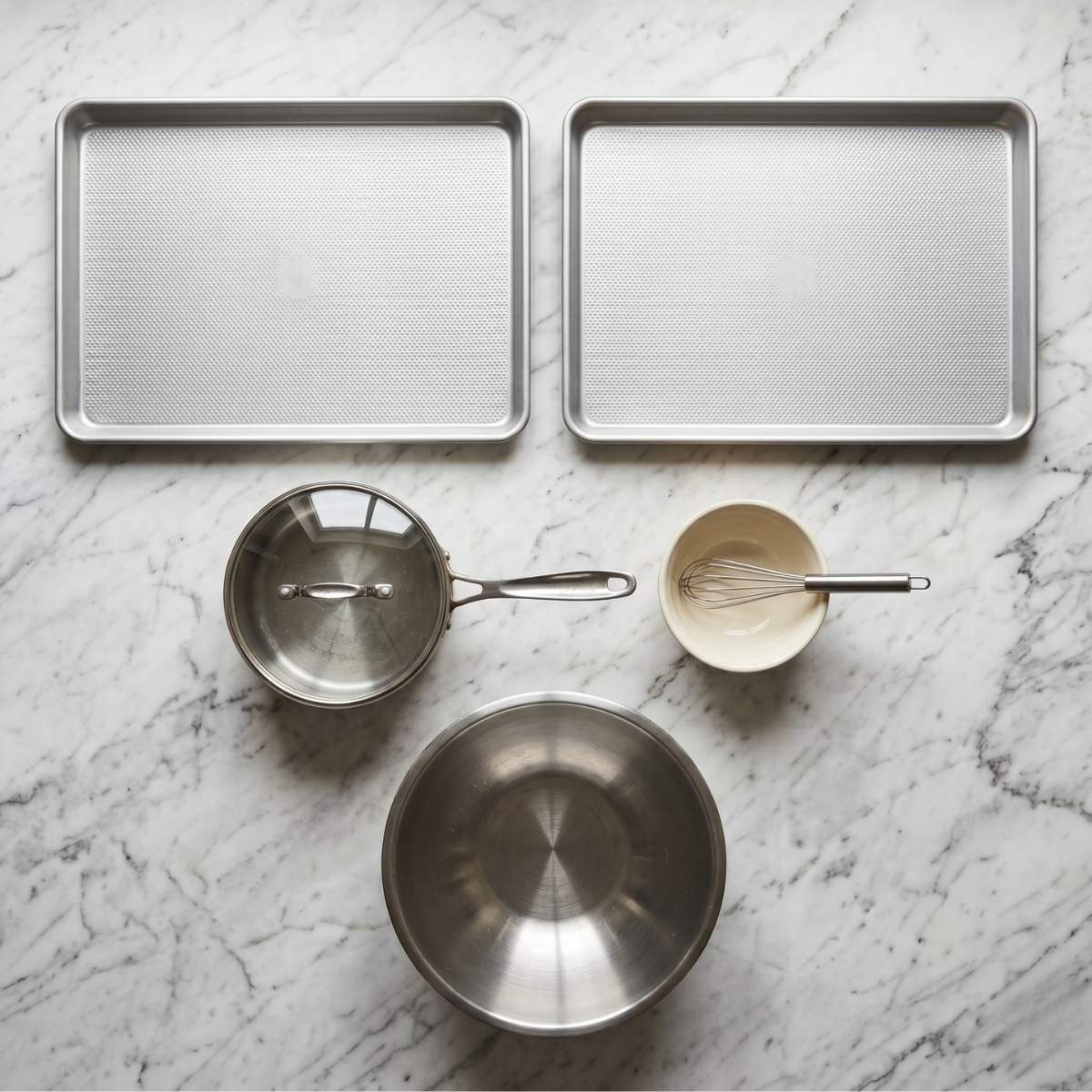
- Two large rimmed baking sheets: Non-negotiable for this recipe. You need enough surface area to spread the vegetables in a single layer without crowding. Rimmed sheets prevent any oily vegetables from sliding off into the oven and are easier to handle when you are tossing halfway through.
- Medium saucepan with lid: For cooking the grain base. A heavy-bottomed saucepan with a tight-fitting lid gives you the most even, consistent grain cooking result whether you are using farro, quinoa, or wild rice.
- Small whisk and bowl or mason jar: For the maple tahini dressing. A mason jar with a lid is my preferred method because you can shake it together in seconds and store the leftovers in the same jar in the fridge all week.
- Large mixing bowl: For massaging the kale. You need enough room to work the greens with both hands without kale flying everywhere, which I have learned from personal experience is a real risk.
Storage Tips for Winter Harvest Dinner Bowl
- Fridge: Store all the components of the bowl separately in airtight containers in the fridge for up to 4 days. Keeping the grains, roasted vegetables, chickpeas, greens, and dressing in separate containers means everything stays at its best quality and you can mix and match fresh bowls all week without anything going soggy.
- Reheating: Reheat the grains and roasted vegetables together in a skillet over medium heat with a small splash of broth or water, or in the microwave for 60 to 90 seconds. Add the fresh greens and dressing after reheating so they stay crisp and bright.
- Chickpea storage tip: Store the crispy roasted chickpeas uncovered or loosely covered at room temperature rather than in a sealed container in the fridge. Sealing them traps moisture and they lose their crunch within a few hours. Left out on the counter in a bowl they stay crispy for up to 2 days.
- Freezer: The cooked grain base and roasted vegetables (without the dressing and toppings) freeze well for up to 2 months. Portion into individual serving containers and thaw overnight in the fridge. Reheat and add fresh toppings and dressing when ready to eat.
Olivia's Tip for Winter Harvest Dinner Bowl
Olivia says the crispy chickpeas are the best part of the whole bowl and you should absolutely double the batch every time. "Make extra, Mom. Way more than you think. They disappear fast." She also says the maple tahini dressing needs to go on everything, not just the bowl. On the vegetables, on the grains, on the chickpeas separately. She is not subtle about her love for this dressing and honestly I completely agree with her.
FAQ About Winter Harvest Dinner Bowl
What to put in a harvest bowl?
A great harvest bowl has five key components working together: a hearty grain base (farro, quinoa, or wild rice), roasted seasonal vegetables (sweet potatoes, Brussels sprouts, butternut squash), a protein (grilled chicken, crispy chickpeas, or a soft-boiled egg), something crunchy (toasted nuts or seeds), and a flavorful dressing that ties everything together. Dried cranberries and crumbled feta or goat cheese are optional but they add a sweet-salty contrast that takes the whole bowl to the next level.
What is in the harvest bowl at Sweetgreen?
The Sweetgreen harvest bowl is built on a base of wild rice and shredded kale with roasted sweet potatoes, roasted chicken, apples, toasted almonds, dried cranberries, and a balsamic vinaigrette dressing. It is one of their most popular menu items and it is genuinely delicious, but making a version at home lets you control the ingredients, customize the toppings, and save a significant amount of money per serving. The Sweetgreen-inspired variation in the Variations section above is my closest homemade version.
What are the 5 key components of a Buddha bowl?
Buddha bowls and harvest bowls share the same basic five-component structure: a grain or starchy base, a generous portion of roasted or raw vegetables, a plant-based protein bowl option or animal protein, a sauce or dressing, and a crunchy topping like seeds, nuts, or crispy chickpeas. The winter harvest dinner bowl follows this exact framework and just leans into warm, seasonal winter ingredients and flavors rather than the lighter, raw-forward toppings you might see on a summer bowl.
Are grain bowls actually healthy?
Yes, genuinely. A well-built harvest bowl is one of the most nutritionally complete meals you can put together in a home kitchen. You get complex carbohydrates from the grains, vitamins and fiber from the roasted vegetables, plant or animal protein from the chickpeas or chicken, healthy fats from the tahini dressing and nuts, and antioxidants from the dried cranberries and greens. The key is keeping the dressing portion reasonable and building the bowl with whole, minimally processed ingredients rather than packaged shortcuts.
Conclusion
This winter harvest dinner bowl is the meal I come back to every single January when I want to feel good about what I am putting on the table without spending hours in the kitchen. It is warm, nourishing, completely customizable, and the kind of dinner that genuinely makes you look forward to a Monday night at home.
Give it a try this week and let me know in the comments which grain you used and what toppings you added! And if you are building out your winter dinner rotation, my Smashburger Quesadillas and Cranberry Orange Turkey are both crowd-pleasing options worth having in your back pocket. For even more bowl inspiration, this Harvest Salmon Bowl from Allrecipes is a beautiful next step once you have mastered the base. Happy cooking, friends!
Related
Looking for other recipes like this? Try these:

Pairing
These are my favorite dishes to serve with Winter Harvest Dinner Bowl:


📖 Recipe
Winter Harvest Dinner Bowl with Maple Tahini Dressing
Ingredients
Equipment
Method
- Preheat oven to 425°F (220°C). Olivia always reminds me this is the "magic heat" that makes everything caramelize just right. Line two baking sheets with parchment paper.
- Prep sweet potatoes, Brussels sprouts, and optional butternut squash. I let Olivia help toss the vegetables with olive oil, it's her favorite part because she calls it "raincoat dressing."
- Roast vegetables until golden and tender. Spread everything out so the veggies have space to roast properly, no crowding! Olivia loves checking the oven to "see the golden edges appear."
- Cook farro, quinoa, or wild rice in broth. This is the moment I let Olivia stir the pot carefully while I watch her concentration, it's her "chef moment."
- Roast chickpeas until crispy. Olivia always sneaks a few before they even hit the bowl. I've learned to make extra, always.
- Whisk maple tahini dressing until smooth. Olivia calls this the "magic sauce" and insists on licking the spoon (strictly supervised, of course).
- Build the winter harvest dinner bowl. This is where Olivia gets creative, she always tries to "design" her bowl like a little edible artwork.
- Drizzle with dressing and serve warm. We sit together at the table, and Olivia always says, "This tastes like cozy." That's how I know it's a keeper.
Nutrition
Notes
- Roast vegetables on two trays to ensure proper caramelization.
- Make extra maple tahini dressing, it keeps well for 5-7 days in the fridge.
- Chickpeas lose crispiness if stored airtight; keep loosely covered.
- Swap grains based on what you have: quinoa for quick meals, farro for extra chewiness.
- For a fully vegetarian version, skip chicken and double chickpeas.
- Olivia's favorite version includes extra sweet potatoes and "lots of sauce."
Leave a Reply