
Mongolian Ground Beef Noodles are one of those weeknight dinners that I genuinely look forward to making, and that says a lot because by 5 PM on a Tuesday I am running on fumes. We are talking tender noodles coated in a sticky, sweet-and-savory sauce with seasoned ground beef in every single bite. It is fast, it is filling, and it tastes like the kind of takeout you pay way too much for.
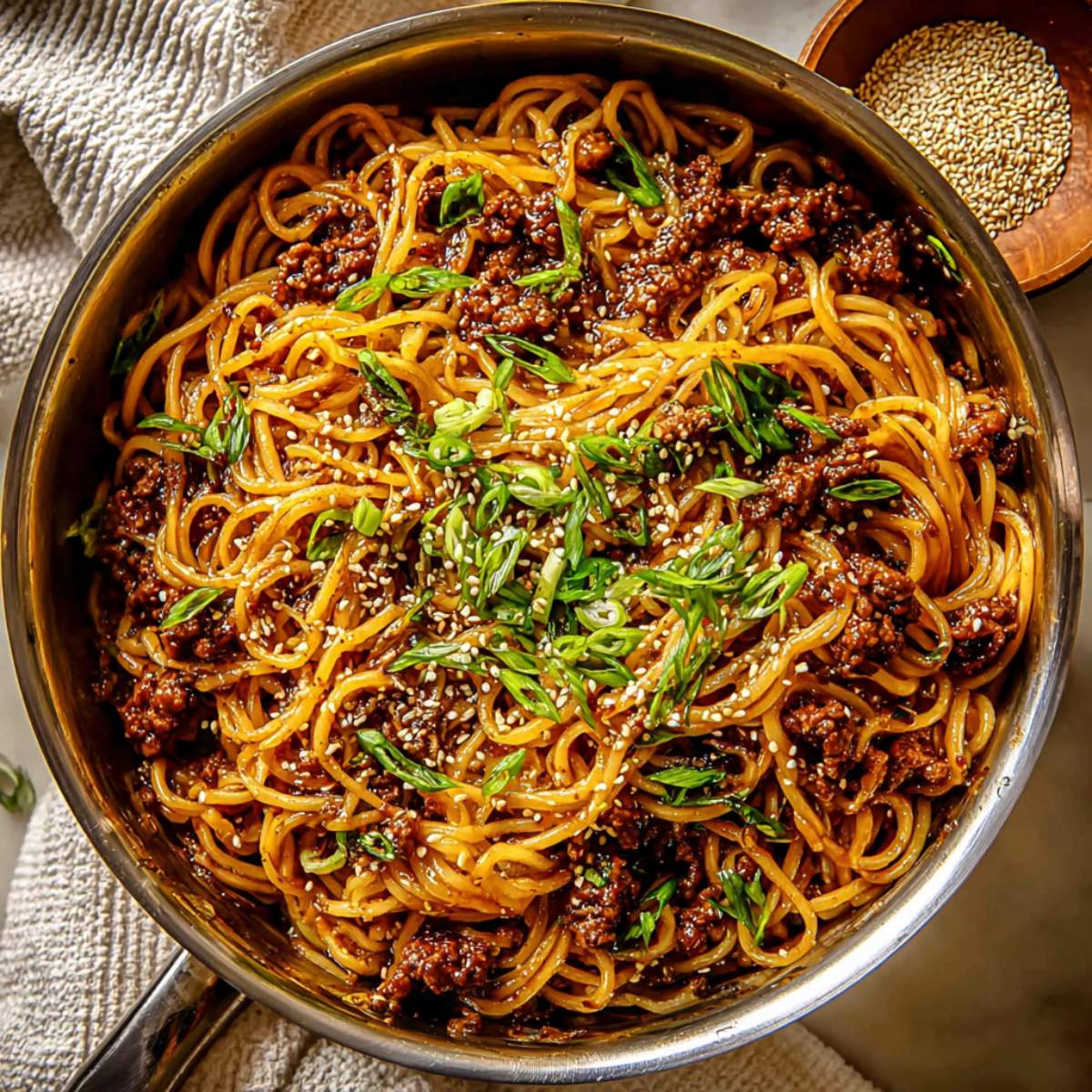
This recipe is my go-to from September through March when the evenings get cold and everyone comes home starving. It is not tied to a specific holiday, but honestly it feels like comfort food season all on its own. The moment that garlic and ginger hit the pan, the whole kitchen smells like a Friday night in the best possible way.
Jump to:
- Why You'll Love These Mongolian Ground Beef Noodles
- Ingredients for Mongolian Ground Beef Noodles
- How to Make Mongolian Ground Beef Noodles
- My Top Tips for Mongolian Ground Beef Noodles
- Little Moments in the Kitchen
- Substitutions for Mongolian Ground Beef Noodles
- Variations on Mongolian Ground Beef Noodles
- Equipment for Mongolian Ground Beef Noodles
- Storage Tips for Mongolian Ground Beef Noodles
- Olivia's Tip for Mongolian Ground Beef Noodles
- FAQ about Mongolian Ground Beef Noodles
- Conclusion
- Related
- Pairing
- 📖 Recipe
Why You'll Love These Mongolian Ground Beef Noodles
- Fast and realistic, start to finish in 15 minutes. You use two pans, one for boiling the noodles and one skillet for the beef and sauce. Both run at the same time, so dinner is actually on the table in 15 minutes flat. No tricks, just smart timing.
- Budget-friendly and family-approved. Ground beef is one of the most affordable proteins out there, and every single thing in that sauce is probably already sitting in your fridge door right now.
- Kid-tested, Olivia-certified. My 11-year-old daughter has requested this three weeks in a row. If that is not a five-star review, I do not know what is.
Ingredients for Mongolian Ground Beef Noodles
Everything you need for this recipe is simple, affordable, and easy to find at any grocery store. The sauce is the real star here, built entirely from pantry staples that come together into something that tastes way more complex than it actually is. Here is what we are working with.
What You'll Need
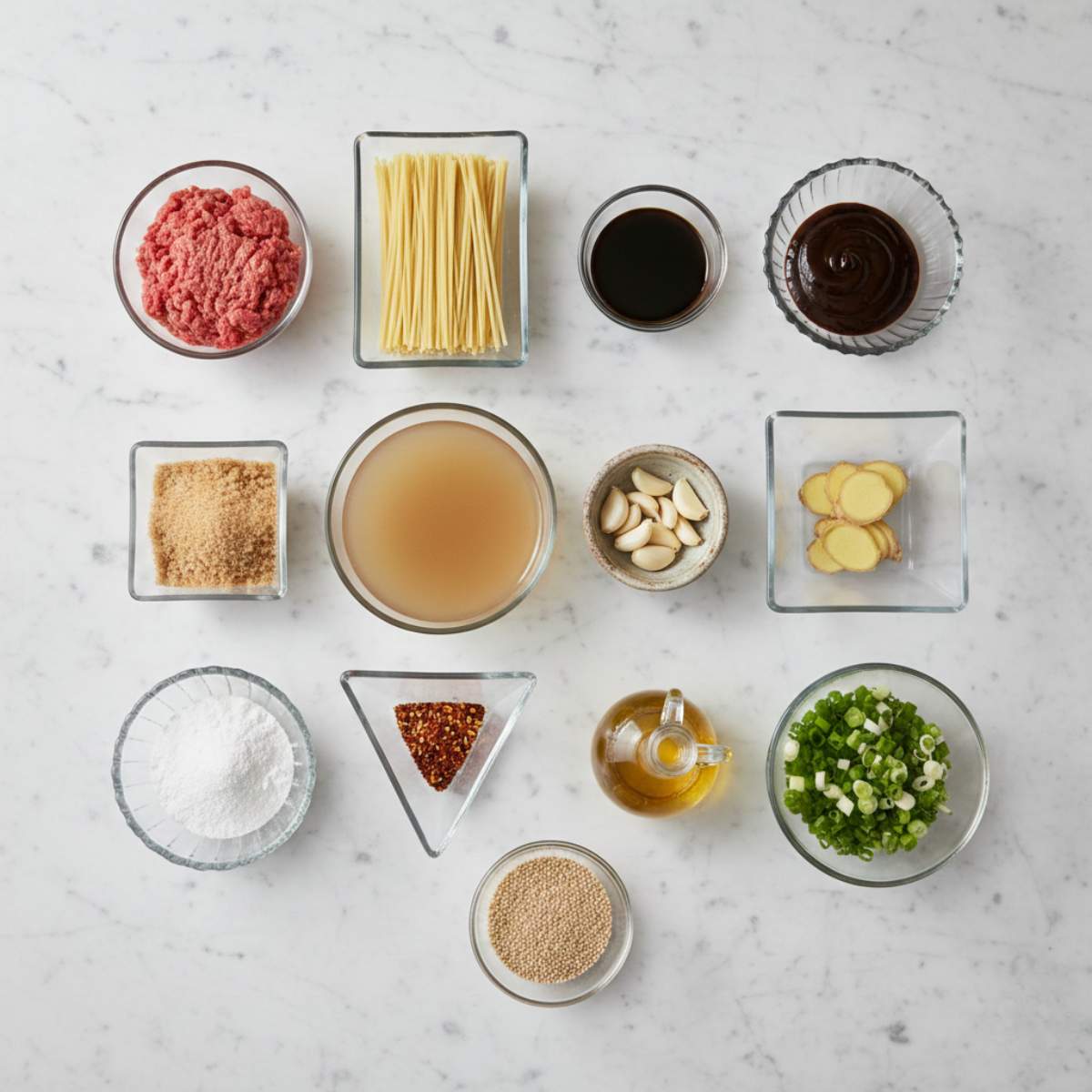
- Ground beef (80/20 blend)
- Lo mein noodles or spaghetti
- Low-sodium soy sauce
- Hoisin sauce
- Brown sugar
- Beef broth
- Fresh garlic cloves
- Fresh ginger (or ground ginger)
- Cornstarch
- Red pepper flakes
- Sesame oil
- Green onions (scallions)
- Sesame seeds for garnish
Why These Ingredients Matter
- Low-sodium soy sauce is non-negotiable here. As the sauce reduces and thickens in the pan, it gets more concentrated. Regular soy sauce will push this dish into way-too-salty territory. Low-sodium keeps all the flavor without blowing out the saltiness.
- 80/20 ground beef gives you the right fat content to keep the meat juicy and flavorful while browning. Leaner blends like 93/7 tend to dry out too fast on high heat, and dry crumbly beef in a stir-fry sauce is just sad. The 80/20 holds up beautifully.
- Fresh ginger and garlic are what give this dish that unmistakable depth that makes people ask what your secret is. Pre-minced garlic from a jar works in a pinch, but fresh ginger really does make a difference you can taste. The moment it hits the hot pan, you will know exactly what I mean.
How to Make Mongolian Ground Beef Noodles
Step-by-Step Directions
1. Start your noodle water first. Bring a large pot of salted water to a full boil over high heat. Getting this started before anything else means your noodles and your beef will be done at roughly the same time. This is the move that makes the whole 15-minute timeline actually work.
2. Mix the sauce while the water heats. In a small bowl or jar, whisk together the low-sodium soy sauce, hoisin sauce, brown sugar, beef broth, and cornstarch until the cornstarch is completely dissolved and the mixture looks smooth with no white lumps. Set this aside within arm's reach of the stove because things move fast once the beef goes in.
3. Brown the beef and drain the grease thoroughly. Heat a large skillet over medium-high heat until it is hot. Add the ground beef and cook, breaking it apart into small crumbles with a wooden spoon, for about 5 to 6 minutes until it is fully browned and no longer pink inside. Now here is a step most people skip and it matters: drain the grease thoroughly by tilting the pan and spooning it out, or transferring the beef to a paper-towel-lined plate for 30 seconds. Excess fat in the pan will prevent the cornstarch slurry from thickening the sauce properly. It creates a greasy, thin sauce instead of that gorgeous glossy coating you want.
4. Bloom the red pepper flakes with the garlic and ginger. Push the drained beef to one side of the skillet. Add a tiny drizzle of sesame oil to the empty side, then add your minced garlic, freshly grated ginger, and red pepper flakes all at once. Let them sizzle together for 30 to 45 seconds until fragrant and the flakes are just starting to darken. This step is called blooming, and it wakes up the spices and deepens the heat in a way that stirring them straight into liquid never does. Watch closely though because garlic burns fast and bitter garlic will take the whole dish down with it.
5. Deglaze with the beef broth and pour in the sauce. Stir the beef back together with the garlic mixture, then pour in your prepared sauce. As it hits the hot pan, use your wooden spoon to scrape up any browned bits stuck to the bottom of the skillet. Those bits are called the fond, and deglazing the fond releases all that concentrated beefy flavor straight back into your sauce. That is where a huge amount of the depth in this dish comes from. Let everything simmer over medium heat for 2 to 3 minutes, stirring occasionally, until the sauce thickens and coats the back of a spoon.
6. Cook and drain the noodles. While the sauce is simmering, drop your lo mein noodles (or spaghetti) into the boiling water and cook according to package directions until just al dente. Drain them and toss immediately with a small drizzle of sesame oil to prevent sticking.
7. Toss the noodles into the sauce. Add the drained noodles directly into the skillet with the beef and sauce. Use tongs to toss everything together until every strand is coated in that sticky, savory glaze and the sauce looks glossy throughout.
8. Garnish and serve hot. Top with sliced green onions, a sprinkle of sesame seeds, and an extra pinch of red pepper flakes if you like more heat. Serve immediately.
Hint: Prep your sauce in the bowl before you turn on any heat. This recipe moves so fast that if you are still measuring soy sauce while the beef is browning, you will either burn the garlic or end up with a lumpy sauce. Mise en place is your best friend here.
If you love quick ground beef dinners, my Korean Ground Beef Bowl uses a very similar sweet-savory sauce and is just as fast on a weeknight.
My Top Tips for Mongolian Ground Beef Noodles
The biggest thing I want you to take away is that heat management is everything in this dish. Get your skillet genuinely hot before the beef goes in so it browns instead of steaming in its own liquid. Browning creates flavor. Steaming creates gray, sad beef. Those are your only two options when you skip this step.
Gold Tip: Do not crowd the pan. If you are doubling this recipe, brown the beef in two separate batches. Overcrowding drops the pan temperature and you end up steaming the meat instead of searing it. One batch browns beautifully. Two batches at once turns into a soggy mess. Trust me on this one.
Little Moments in the Kitchen
The first time I made this, Olivia was standing right next to me at the stove watching me whisk the sauce together. She leaned over, sniffed the open hoisin sauce jar, and said completely seriously, "Mom, that smells like a duck." I had absolutely no idea how to respond to that. She was not entirely wrong though. Hoisin has that rich, sweet, deeply savory smell that is genuinely hard to describe, and apparently to an 11-year-old it smells like a duck. We laughed about it for a solid two minutes.
When she finally tasted the finished dish she went very quiet for a moment, which in our house is always the best possible sign. Then she said "okay, this one goes in the regular rotation." That is the highest compliment Olivia gives a meal. She once told me my pasta was "too pasty," so I take her approvals seriously. These noodles have made it onto her requested dinners list and have stayed there ever since.
Substitutions for Mongolian Ground Beef Noodles
No hoisin sauce? Swap it with a mix of 1 tablespoon of soy sauce, 1 teaspoon of peanut butter, and a small drop of honey. Some people also use duck sauce as a one-for-one substitute for hoisin. It is sweeter and thinner, so use slightly less and reduce the brown sugar a little to compensate. It gives the dish a slightly fruitier flavor that actually works really well.
Noodle swap: Lo mein is ideal, but linguine pasta is honestly my second favorite choice for this recipe. It has a similar flat, slightly chewy texture that holds onto the thick sauce beautifully. Spaghetti works too, but linguine edges it out.
Gluten-free: Use tamari instead of soy sauce, a certified gluten-free hoisin sauce, and swap the noodles for rice noodles. Rice noodles absorb the sauce quickly so toss them in right before serving.
Vegetarian: Replace the ground beef with crumbled firm tofu or a plant-based ground meat. Press the tofu for at least 15 minutes before cooking so it gets color instead of releasing water into the pan.
Variations on Mongolian Ground Beef Noodles
Spicy: Add a generous extra pinch of red pepper flakes to the blooming step in the pan, or stir a tablespoon of chili garlic sauce directly into your prepared sauce mixture before adding it. You can also add sliced fresh chilis alongside the garlic for a clean, bright heat that builds slowly.
With Vegetables: Toss in thinly sliced bell peppers, shredded carrots, snap peas, or a big handful of baby spinach right after you finish blooming the aromatics in Step 4. They take about 2 minutes to soften just enough while keeping a little bite. This is my personal weekday version because it stretches the meal further and makes me feel like a responsible adult.
Deluxe: Finish the bowl with a drizzle of extra sesame oil, a soft-boiled egg sliced in half on top, and a small handful of crispy fried shallots. This turns your 15-minute weeknight dinner into something that genuinely looks like it came from a restaurant. Friday nights only.
For another hearty, cozy noodle dinner the whole family will finish, check out my American Goulash.
Equipment for Mongolian Ground Beef Noodles
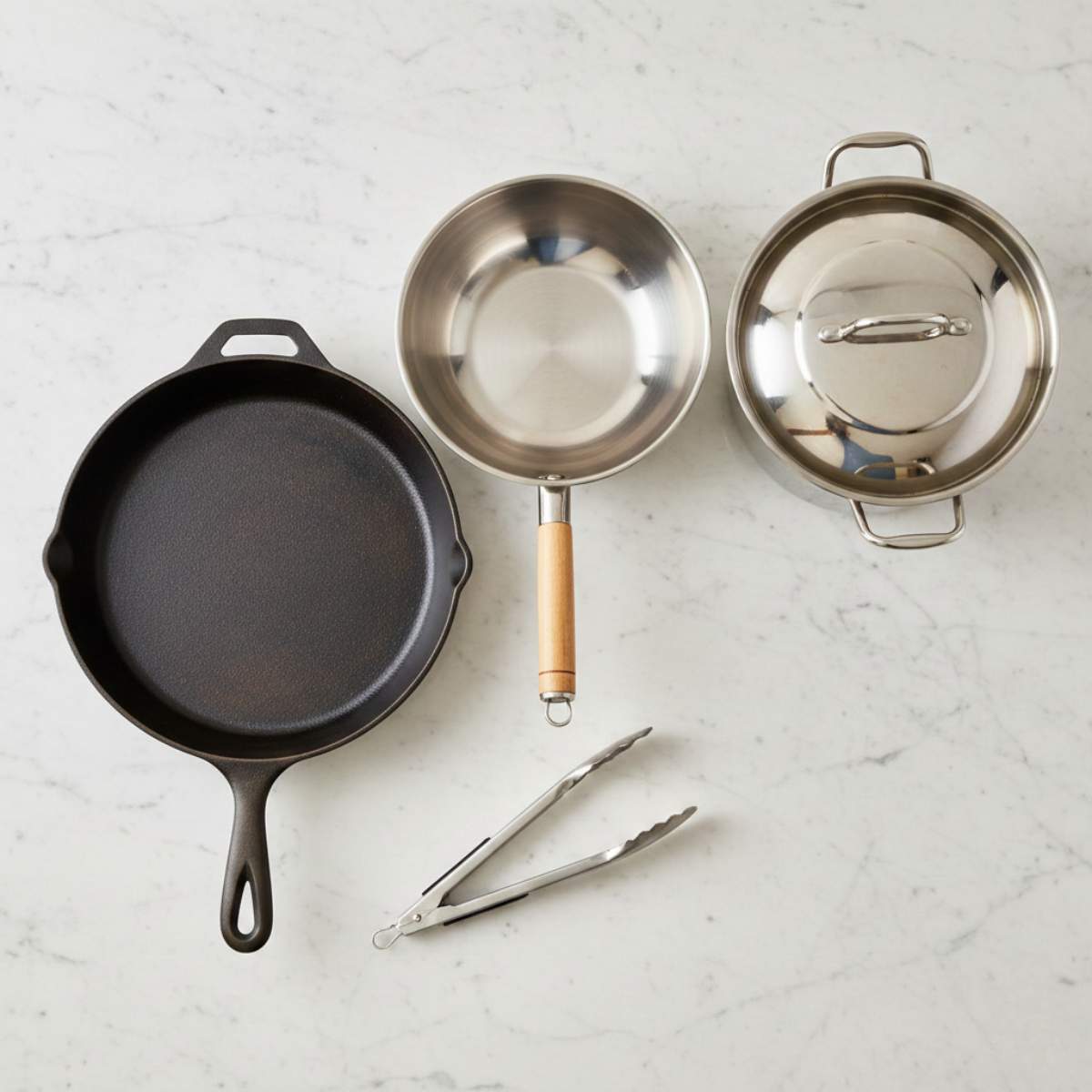
Large skillet (12-inch) or wok: You need real surface area here. A 12-inch skillet gives the beef room to brown instead of steam, and enough space to toss the noodles at the end without everything spilling over the sides. A wok is great if you have one because it handles high heat beautifully and the sloped sides make tossing easy. Cast iron gives the deepest sear on the beef, but any heavy-bottomed skillet works.
Large pot for noodles: You need a separate pot for the noodles running alongside your skillet. This is what makes the 15-minute timeline real. Running both at once means everything finishes together instead of one sitting cold while the other catches up.
Tongs: Tossing noodles in a thick sauce with tongs is the move. A spoon just kind of nudges things around. Tongs let you lift and coat every strand from the bottom up.
Storage Tips for Mongolian Ground Beef Noodles
- Fridge: Store leftovers in an airtight container for up to 3 to 4 days. The noodles will absorb more of the sauce as they sit, so add a splash of beef broth or water when reheating to loosen everything back up.
- Reheating: Reheat in a skillet over medium heat with a splash of liquid, or microwave in 60-second intervals stirring between each one until hot throughout.
- Freezing: The beef and sauce freeze well for up to 2 months. Freeze them separately from the noodles because cooked noodles get mushy after freezing and thawing. Just cook a fresh batch of noodles when you are ready to eat.
Olivia's Tip for Mongolian Ground Beef Noodles
Olivia says to always add the green onions right at the very end, not while the noodles are still hot in the pan. "They stay crunchy and taste fresh that way, Mom." She is right, and she knows it. That little pop of freshness at the end makes the whole bowl taste brighter.
FAQ about Mongolian Ground Beef Noodles
What is the secret ingredient to Mongolian beef?
It is the combination of hoisin sauce and fresh ginger working together in the same sauce. Hoisin brings that sweet, slightly smoky depth that you just cannot fake with anything else, and fresh ginger adds a warm brightness that cuts right through the richness of the beef. Together they create the flavor that makes people ask for the recipe.
What kind of noodles do they use at a Mongolian grill?
Most Mongolian grill restaurants use Asian wheat noodles, typically lo mein or a similar fresh egg noodle. At home, lo mein noodles are your best match. Linguine pasta is a close and practical second because it shares that slightly chewy, flat texture that clings to the sauce well.
What makes Mongolian beef taste so good?
That sweet-salty balance in the sauce is what does it. Brown sugar and low-sodium soy sauce are complete opposites that somehow become perfect together when they reduce down in a hot pan over the beef fond. Add garlic, ginger, and sesame oil and you have layers of flavor that taste like they took an hour.
What sauce do we use in Mongolian beef?
The sauce is a mix of low-sodium soy sauce, hoisin sauce, brown sugar, beef broth, and cornstarch. The cornstarch is what makes it thick and glossy as it cooks down. Some versions include oyster sauce or a splash of rice wine vinegar for extra complexity, and both are great additions if you want to experiment.
Conclusion
These Mongolian Ground Beef Noodles have saved dinner in my house more times than I can count, and I am not even a little embarrassed about it. They are fast, filling, deeply flavorful, and cost a fraction of what takeout would run you. When a recipe checks every single one of those boxes, it earns a permanent spot on the weekly rotation.
Whether you are feeding a hungry family on a Tuesday or meal prepping lunches for the week ahead, this one delivers every time. If you want to keep exploring easy ground beef dinners, my buffalo chicken wraps are another 20-minute family favorite worth bookmarking. And if you love noodle dishes and want to branch into something a little different, you can find another fun weeknight inspiration over at AllRecipes Ground Beef Curly Noodle. Now go get that skillet hot. You have got this.
Related
Looking for other recipes like this? Try these:




Pairing
These are my favorite dishes to serve with Mongolian Ground Beef Noodles:



📖 Recipe
Mongolian Ground Beef Noodles Recipe
Ingredients
Equipment
Method
- Push the beef to the side and add the [Sesame Oil]. Toss in the minced [Fresh Garlic], grated [Fresh Ginger], and [Red Pepper Flakes]. Let them sizzle for 30 seconds, the kitchen will smell like a dream! Olivia loves watching the 'tiny pieces' dance in the pan.
- In your [Small Mixing Bowl], whisk together the [Low-Sodium Soy Sauce], [Hoisin Sauce], [Brown Sugar], [Beef Broth], and [Cornstarch]. Make sure that cornstarch is completely dissolved-no white lumps allowed! This is the 'magic potion' that makes the noodles so sticky and sweet.
- Heat your [Large 12-inch Skillet] over medium-high heat. Add the [Ground Beef] and break it into small crumbles. We want it nice and brown! Once it's cooked, be sure to drain the grease thoroughly so our sauce stays glossy, not oily.
- Push the beef to the side and add the [Sesame Oil]. Toss in the minced [Fresh Garlic], grated [Fresh Ginger], and [Red Pepper Flakes]. Let them sizzle for 30 seconds-the kitchen will smell like a dream! Olivia loves watching the 'tiny pieces' dance in the pan.
- Stir the beef back in and pour your sauce mixture over everything. Let it bubble gently for 2-3 minutes. You'll see it transform from a liquid into a thick, beautiful glaze right before your eyes!
- Drop your [Lo Mein Noodles] into the boiling water (follow the package time!). Once they are al dente, drain them and toss them straight into the skillet. Use your [Kitchen Tongs] to lift and coat every single strand. It's like giving the noodles a savory hug!
- Turn off the heat and sprinkle on the sliced [Green Onions] and [Sesame Seeds]. Olivia's special job is the 'sprinkle-sprinkle' at the end. Serve it hot and enjoy the quiet that follows when everyone starts eating!



Leave a Reply